
What does it mean to return to collective history with more voices in the room? Across two recent gatherings—one in the Bay Area and one in New York—the Jews of Color Initiative convened a set of conversations that revisited the Black/Jewish alliance through a new framework. Drawing on Black Power, Jewish Politics: Reinventing the Alliance of the 1960s by Dr. Marc Dollinger, professor at San Francisco State University, these events invited participants to reexamine the history of Black/Jewish relations while also asking a more immediate question: how do those histories manifest in today’s world, and who gets to shape what comes next?
As JoCI CEO Ilana Kaufman reflected, “Everything our data tell us is that the U.S. Jewish community is multiracial, and it’s only becoming more multiracial each day—yet we continue to have conversations about our community and our histories as if we exist in racial binaries.” Too often, she noted, conversations about antisemitism, civil rights history, and Black/Jewish solidarity remain structured around assumptions that do not reflect the lived reality of the community itself.
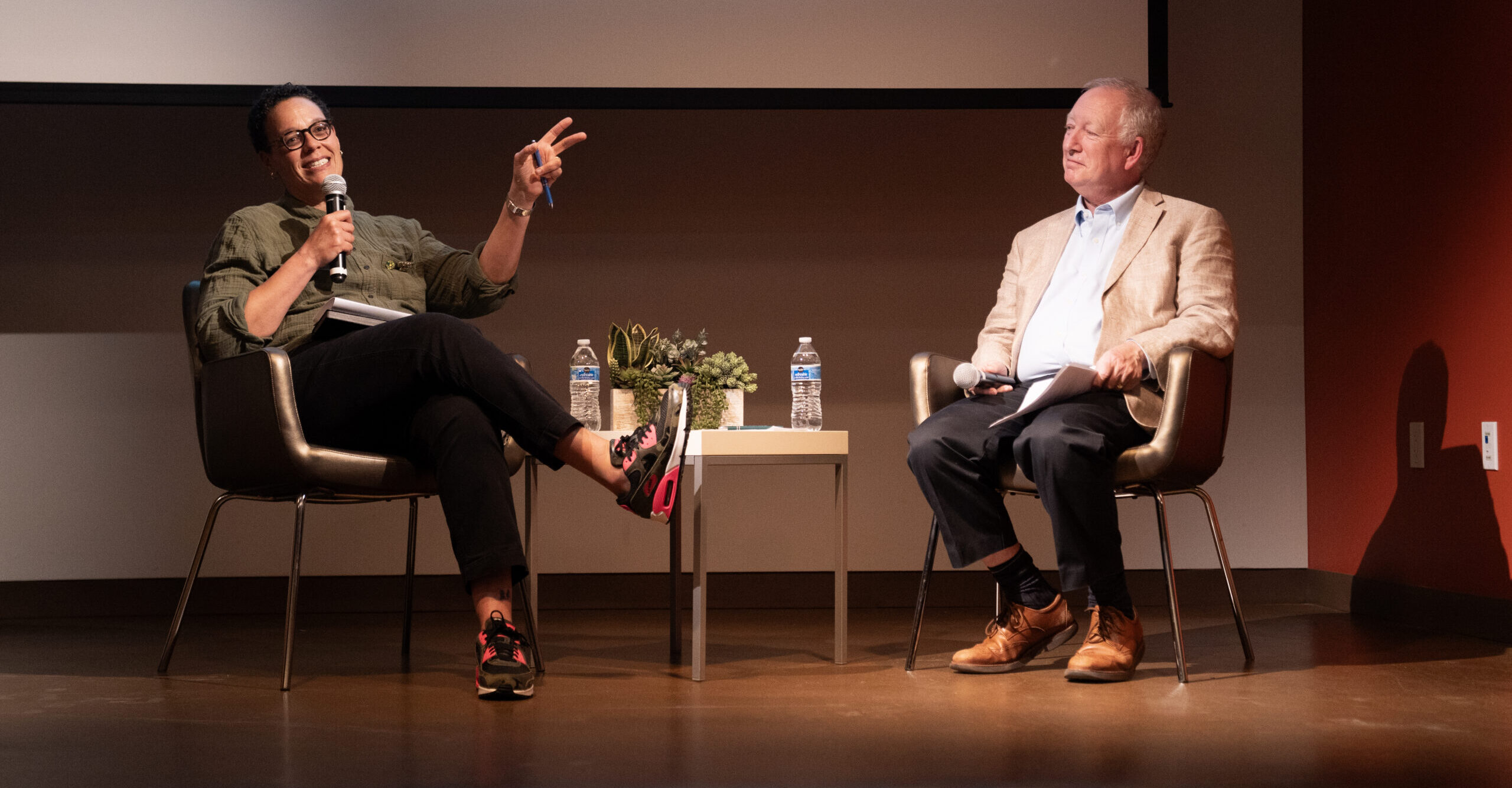
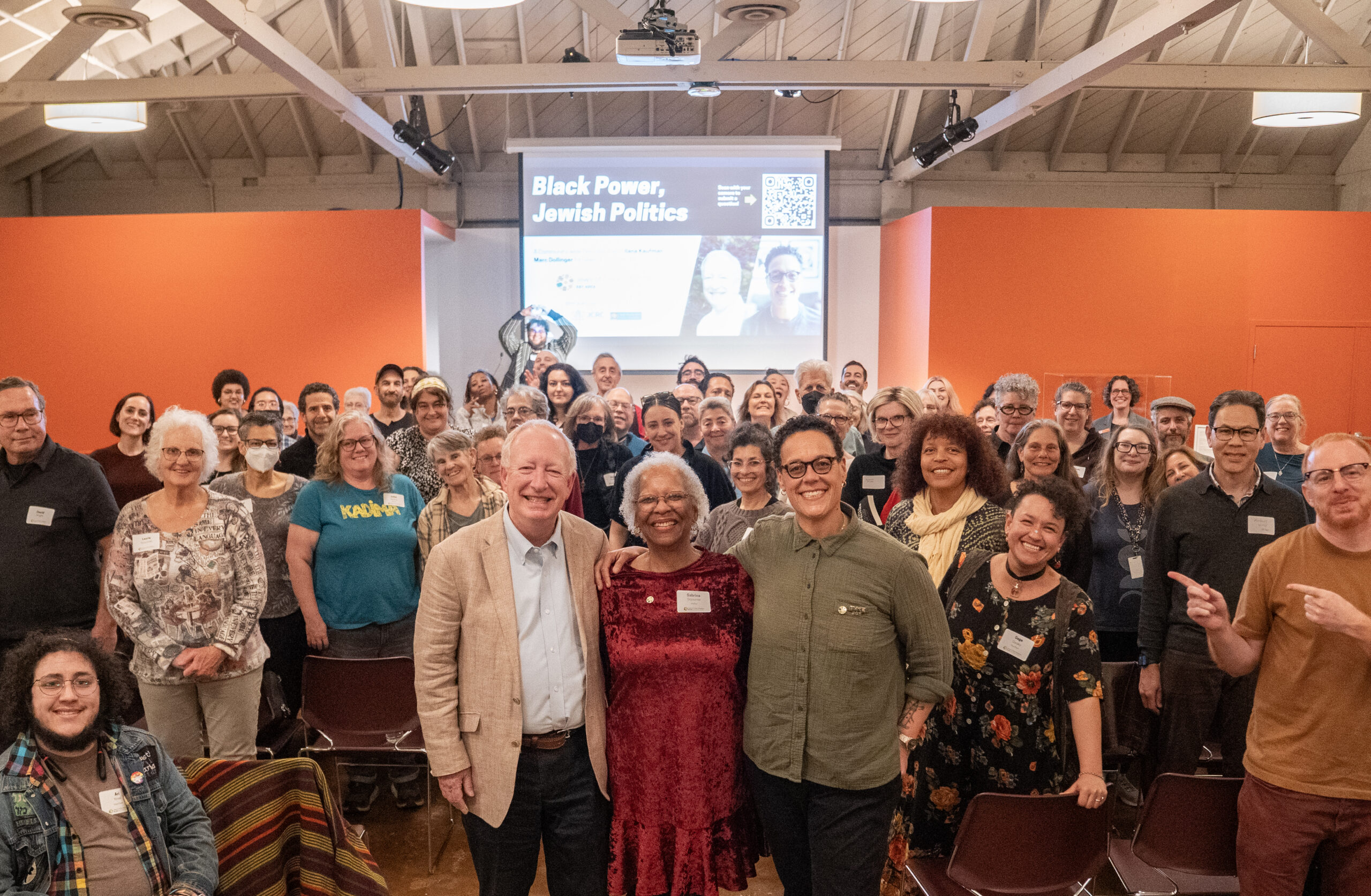
In the Bay Area, that conversation unfolded at the Magnes Collection of Jewish Art and Life, where Kaufman and Dollinger engaged in dialogue that challenged the typical historical analyses of the Black/Jewish alliance. Most narratives of the 1960s assume that the identities of Black and Jewish never intersect. For Black Jews and other Jews of Color, it is clear that identities exist in multiplicity and that Black Jews both shaped and experienced the movement. Kaufman, Dollinger, and partners who joined us revisited our historical narratives with a more accurate, interconnected story of multiracial life.
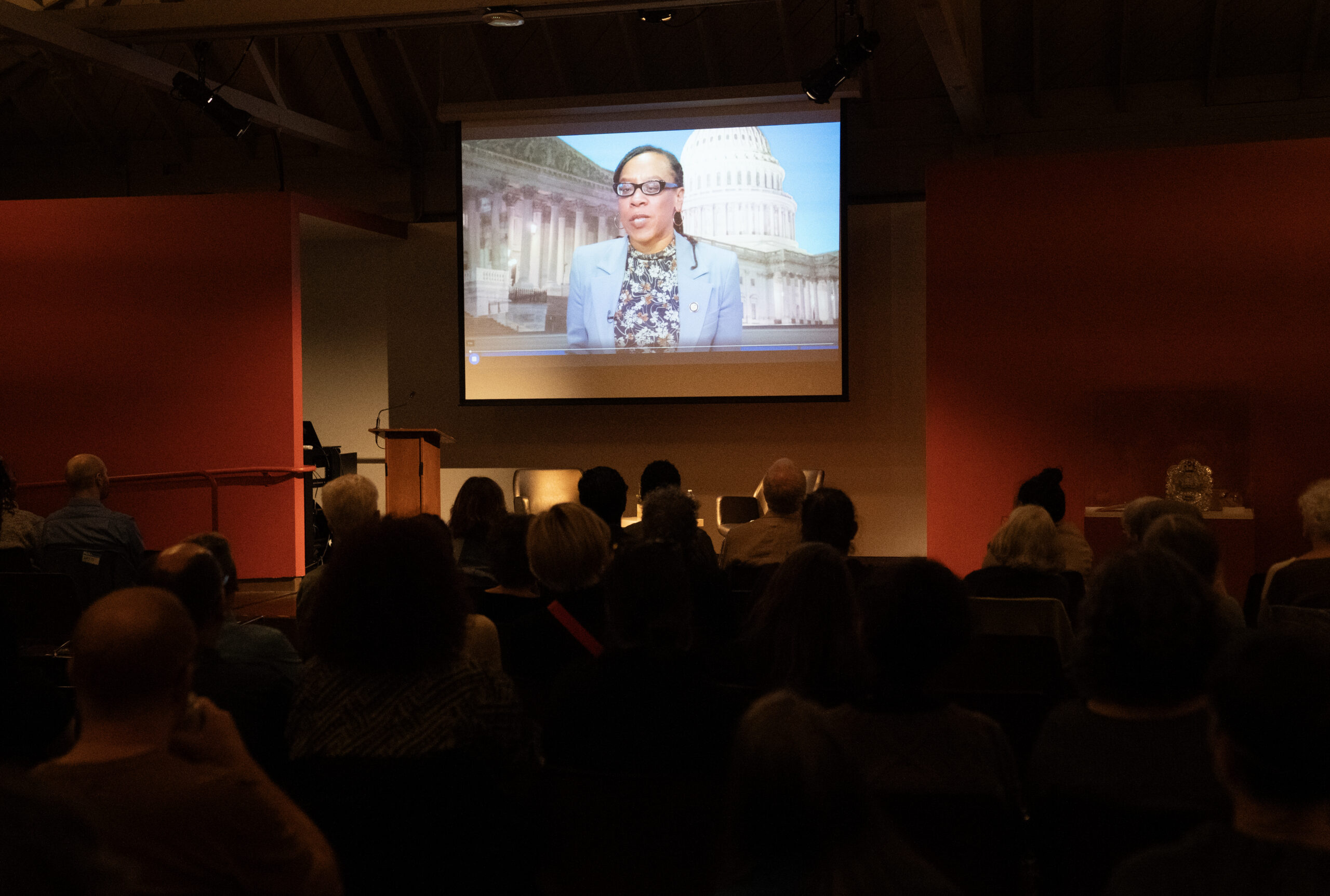
The program opened with a virtual welcome from Congresswoman Lateefah Simon, grounding the gathering in both historical reflection and contemporary public leadership. The Congresswoman’s virtual welcome reflected one of the central themes of the event: the recognition that more deeply understanding our past is a crucial part of building stronger relationships in the present.
For Kaufman, Dollinger’s work creates an important opening. “What Black Power, Jewish Politics does is open us all up to the conversation about transcending the binary into the middle—and the middle is where we all exist as a Jewish community,” she said.
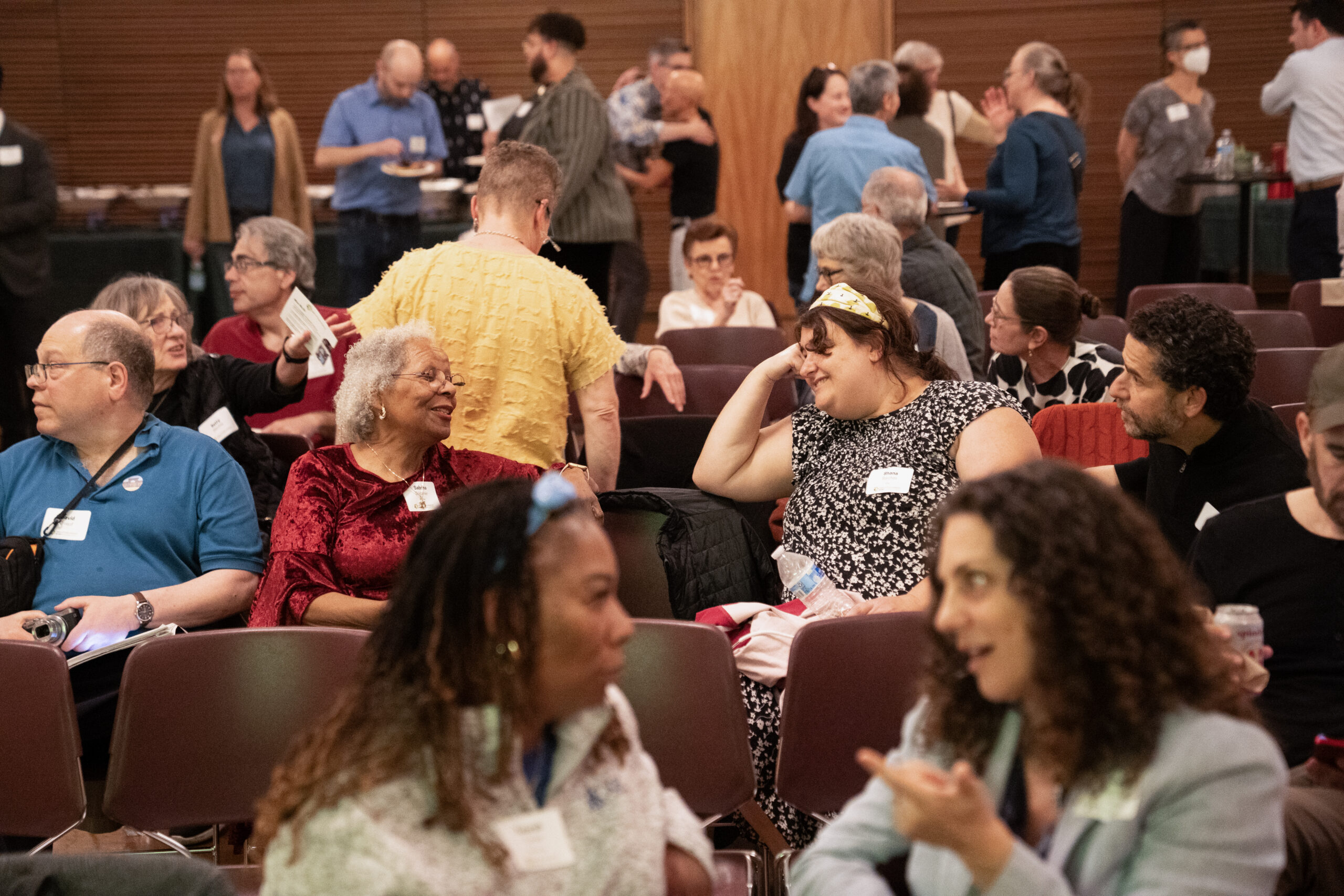
“The opportunity to gather in the middle, particularly when so much around us wants to separate us based on politics or other dynamics, is a beautiful, really important, welcoming, and necessary thing to be doing right now.”
Weeks later, the conversation continued at 92NY (formerly 92nd Street Y) in Shared Struggles, Shared Stories: Black Power, Jewish Politics, and the Fight for Justice, moderated by renowned scholar Dr. Susannah Heschel. Her presence added particular depth to the discussion—not only as a leading thinker in Jewish studies, but as the daughter of Rabbi Abraham Joshua Heschel, whose partnership with Dr. Martin Luther King Jr. remains one of the most enduring symbols of Black/Jewish solidarity during the Civil Rights era. That legacy brought an added layer of reflection to the evening, adding both personal and communal memory, while deepening the same central questions about how histories of solidarity are remembered and can be carried forward.
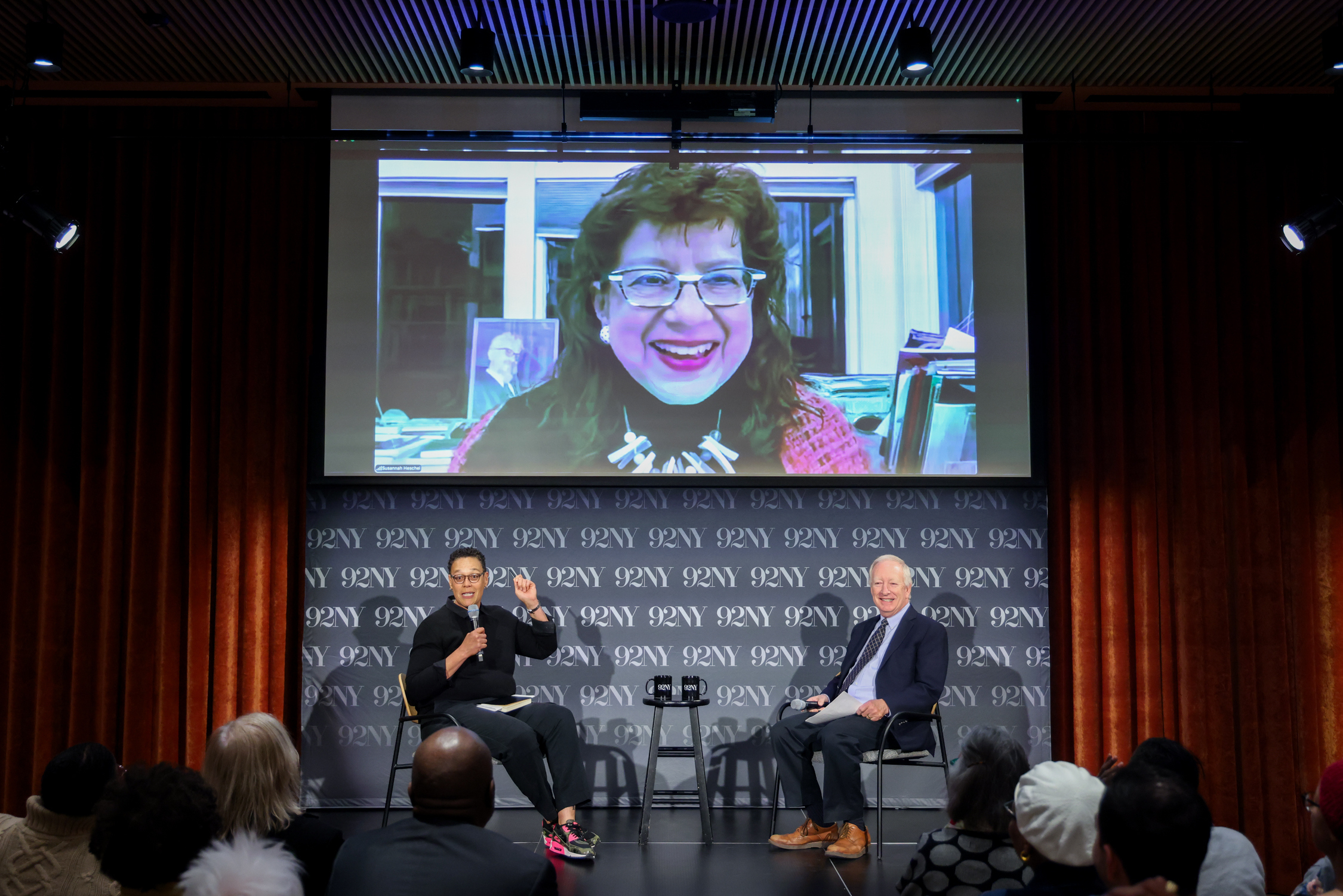
Kaufman described Heschel’s involvement as “such a gift,” noting that “she came with such fresh thinking, rich questions, and so much curiosity.” Kaufman noted that in addition to Heschel’s impressive stature in both the academic field and the Jewish community, she was a generous and genuinely curious thought partner.
“People really want to be in a conversation where we can feel like we’re not judged, where we can be curious together, and where there’s a place for us—even when the conversation is hard,” Kaufman shared.
One of the most powerful similarities between these bicoastal events, Kaufman said, was that “we generated a sense of openness, enthusiasm, and optimism. People left feeling hopeful in both communities.”
Collaborations with institutions such as the Magnes and 92NY reflect a growing eagerness to engage complexity in public-facing Jewish spaces, and to do so in ways that acknowledge history, are anchored in multiracial dialogue, and are responsive to the present moment. The events on both coasts showcased a conversation that is becoming more layered, more relational, and more attentive to lived experience. They also underscored the power of convening multiracial community; thanks to more partnerships and JoCI’s internal capabilities, we are able to hold these large-scale events that create spaces where historical insight, communal memory, contemporary leadership, and community members of a wide range of identities can sit in the same room.
From Berkeley to New York, these gatherings are evidence of a field in motion. And in that motion, new possibilities are beginning to take shape for how solidarity is understood, how history is carried forward, and how Jewish communal life is narrated in a multiracial present.
