
“My whole life I’ve held a core belief, which I know so many share as well, that Jewish spaces belong to us as whole people–and we should never have to choose between being seen racially and being seen Jewishly. Our destiny is to be whole, and feel proud, never inadequate or like we are imposters. not questioned—where it is as if the Torah itself has been eagerly awaiting our full participation.” – Ilana Kaufman
As CEO of the Jews of Color Initiative, Ilana Kaufman will soon meet with and learn from communities across the country during JoCI’s first-ever nationwide Listening Tour. In advance, she’s diving deep into the art of listening, building on her countless conversations since JoCI’s founding in 2017 with Jews of Color, communal leaders, and people who simply want Jewish life to reflect their full identities. The tour will be “a moment to widen the circle and deepen the dialogue,” she says, “a chance to meet people where they are and hear what’s most relevant for Jews of Color across the country. This is about showing up with openness and being ready to hear what people need us to understand so we can most effectively plan for the future.”
The JoCI has always been shaped by direct input from the people most impacted by the intersections of racial equity in Jewish life. The Tour will grow the conversation even more; community members who attend Listening Tour events across many regions will have dedicated time to speak with Kaufman and JoCI team members. For Kaufman, the Listening Tour is both a continuation of JoCI’s mission and an expansion of its reach. “We are a national organization,” she notes, “and national means we have to be in deep relationship with people in many, many places, not just focusing on the large Jewish communities of the coasts and major metro centers…I think there’s a lot to learn from the people we haven’t heard from yet.”
“We’ve spent years engaging Jews of Color and supporting communities that are creating meaningful change,” Kaufman reflects. “What feels especially important now is connecting to even more people and places, and offering space for people to speak openly about what matters most to them.” She emphasizes that the goal isn’t to arrive with answers but to “really listen to what folks are experiencing in their daily Jewish lives, and learn about the communities they are building.”
Emails have already begun arriving from people planning to attend—some with long histories connected to JoCI’s work, others introducing themselves for the first time. They all share a desire to be part of the community informing the conversation about and the future of multiracial Jewish life in the U.S.
“People have so much insight into what makes their communities thrive and where things feel stuck,” Kaufman says. “The JoCI exists because we want Jews of Color of diverse backgrounds and diverse political perspectives to be able to access resources to create their visions and their ideas in service of their communities…My goal is to listen powerfully so we can identify themes emerging across regions, and understand where the JoCI can help spark or support momentum.” For her, this means paying attention not only to challenges but to the creativity and innovation happening in local communities. “People are doing incredible things,” she notes. “We want to learn from them.”
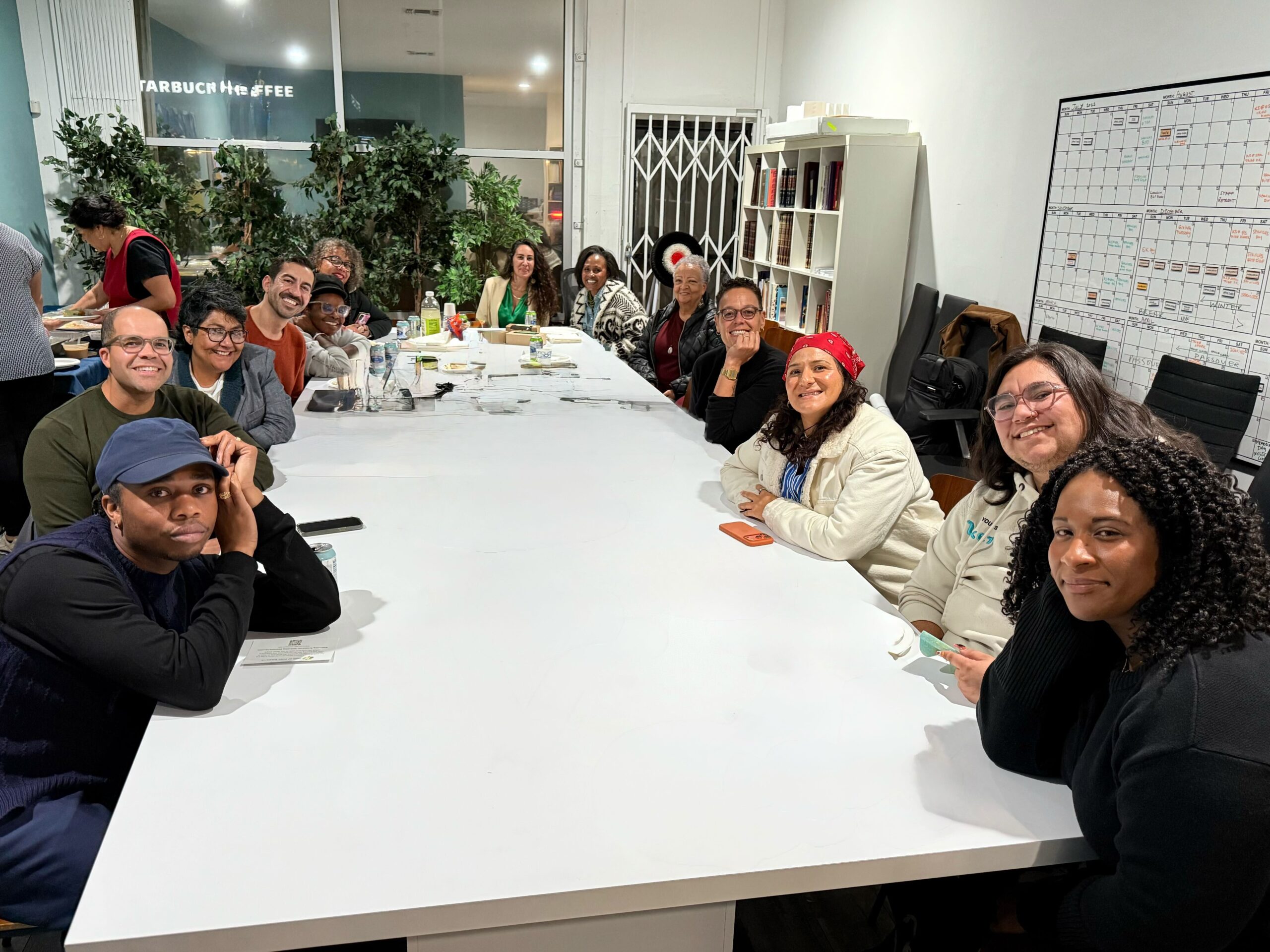
For community members who may be encountering JoCI for the first time, the tour offers a window into how the organization works: grounded in lived experience, attuned to nuance, and committed to building a more equitable, vibrant Jewish future through exceptional grantee partners, community education programs, and leadership development opportunities. For those already engaged, it’s an opportunity to reconnect, share updates, and shape the next phase of collective work. As Kaufman puts it, “This is a chance to be in conversation, not just consultation, so we can shape the future together.”
As the tour gets underway, Kaufman carries the voices of so many who have shared their stories over the years—stories about belonging, identity, leadership, and the multiracial reality of Jewish life. “People care deeply about this work,” she says. “They’re proud to be part of Jewish communities, and they want those communities to grow in ways that recognize, celebrate, and support the full diversity of who we are.” She describes the Listening Tour as a way of honoring those aspirations: “When people tell us the truth of their experiences, that’s a gift. The JoCI has a responsibility to really see, hear and advocate for those who self-identify as part of this community. You should expect us to show up ready to listen and integrate learnings in ways that are respectful, and hold us accountable to the gifts of the community.
For Kaufman, the Listening Tour is an opportunity to experience regional expressions of Jewish identity that will likely be new to her. “Shabbat looks different in Portland, Tucson, Milwaukee and Fort Lauderdale. It will be lovely to experience the customs and rituals of different regions, and experience other communities’ Jewish culture as they express it, and as they choose to share it with me.”
In the coming weeks and months, Kaufman looks forward to hearing from new voices and knitting together the perspectives that will help guide JoCI’s next steps. The Listening Tour is, at its heart, an act of connection—an expression of JoCI’s commitment to showing up, learning, and building alongside the communities it serves. “We’re excited,” Kaufman says. “We’re ready to listen. And we’re eager to keep strengthening and growing with our beautiful community.”
Learn more about the JoCI’s National Listening Tour here.
