
Researchers

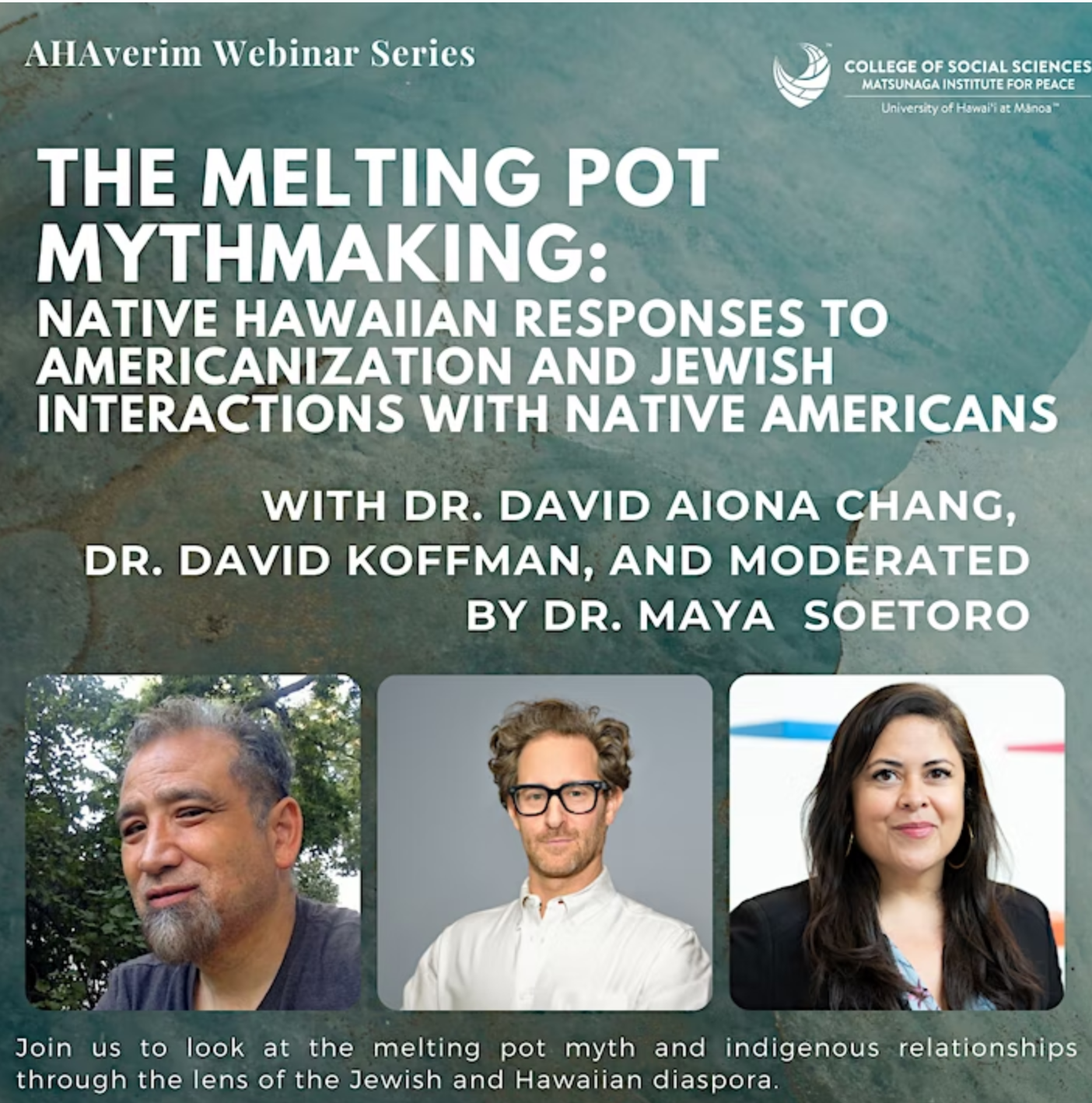

Kānaka Maoli and Jews share similar ideas on the sacredness of, and responsibility to, the land and our ancestors. Although Ashkenazi Jews make up only 2.6% of Hawai’i’s population, they are disproportionately represented in government, business, and land ownership. Meanwhile, Kānaka Maoli, who are native to the land, make up a disproportionate ratio of houseless individuals and incarcerated people. This research seeks to build better relationships between Ashkenazi Jews in Hawai’i and the Kānaka Maoli community, while confronting our complex relationships as Jews to the land, and by extension, our ideas of wealth and identity. As part of the study, the research team will hold dialogue sessions and a retreat focused on building haverim (חברים) or solidarity and friendship. This study considers race, class and the experiences of Jews of Color in Hawai’i of varying ethnic identities, as well as conversations among participants who have converted to Judaism.